

Whether you’re installing a CCTV camera for home or business use, there are some
important rules that must be followed. These rules cover legal matters cctv camera, equipment
maintenance and more. Getting familiar with these rules can help ensure your home
or business is protected.
In many places, it is illegal to record people without their consent. This includes
secretly recording someone’s voice but not their image, even on private property.
However, this law varies from place to place, so you should know the specific laws in
your area before making any plans for a security camera.
You must also be mindful of your neighbors’ privacy when installing a home or
business CCTV system. It’s generally okay to record public-facing areas of your
neighbor’s homes or businesses, but you shouldn’t place cameras in front of their
windows or other places where they have a reasonable expectation of privacy. If
you’re unsure about the laws in your area, check with a local attorney.
When installing a CCTV system, it’s a good idea to put the camera as high up as
possible. This will give the camera a better view of the surrounding area and make it
harder to be tampered with. Also, make sure the camera is not pointing directly at
any light sources. This can cause overexposure of videos and images recorded by
the camera.
Once you’ve determined the location of your camera, mark the locations where the
mount should go on the wall or ceiling. Then drill the holes and screw the mount in
place. Make sure the camera is pointed in the direction you want it to face, and test
the camera to ensure that it’s working properly.
If you’re using a surveillance camera in your home, it’s also a good idea to hide the
cable as much as possible. This will prevent someone from cutting the wires and
tampering with your camera. Professional installers usually run the cables through
conduit, which makes them more difficult to reach and cut.
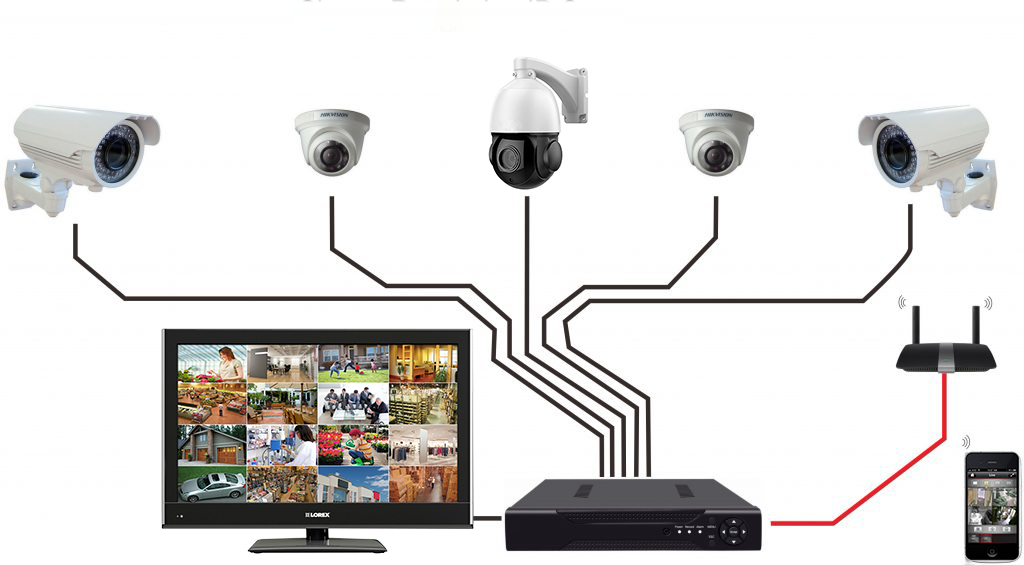
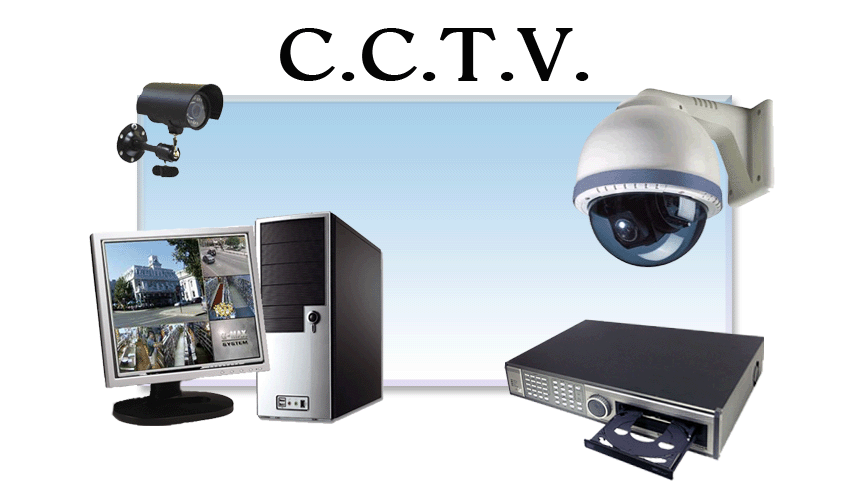
Lastly, you must protect your CCTV system’s DVR or Digital Video Recorder. This is
where all the footage or recordings are stored. Depending on the type of DVR you
have, you may need to purchase a lock to secure it. You should also consider
installing a motion sensor in the area where you’re placing the camera to detect any
unwanted activity.
After the camera and DVR are secured, you can start to monitor your property
remotely. You can also set your camera to record and rewind the video if you’re
worried about thieves or vandals. Just be sure to read the manual that came with
your camera before beginning. By following these simple tips, you can have a well-
functioning CCTV system in your home or office. Then, you can relax knowing that
your property is protected. For more information, contact a professional cctv
installation company. They can help you find the right camera to meet your needs
and install it safely.